
Hürmüz Boğazı: ABD’nin son jeopolitik sınavı mı?

Uluslararası sistemin anarşik doğası, güç dağılımının en çıplak hâliyle görüldüğü anları genellikle dar boğazlarda üretir. Hürmüz Boğazı da bugün tam olarak böyle bir sahneye dönüşmüş durumda: küresel enerjinin arterlerinden biri, aynı zamanda büyük güç rekabetinin “dar geçit testi”. ABD’nin küresel hegemonya iddiası da burada yalnızca açık denizlerdeki donanma üstünlüğüyle değil, aynı zamanda bu tür kritik chokepoint’lerde (boğazlar, kanal hatları, dar deniz geçitleri) fiilî kontrol ve erişim güvenliği sağlayabilme kapasitesiyle ölçülür. Bugün Hürmüz, Washington açısından bir “son sınav” olarak okunuyorsa, bu sınavın doğası askeri olmaktan çok sistemiktir: ABD, tek kutuplu düzenin artık erozyona uğradığı bir dönemde, enerji güvenliğini garanti etme kapasitesini hâlâ sürdürebiliyor mu?
1956’nın Gölgesi: Süveyş Sendromu
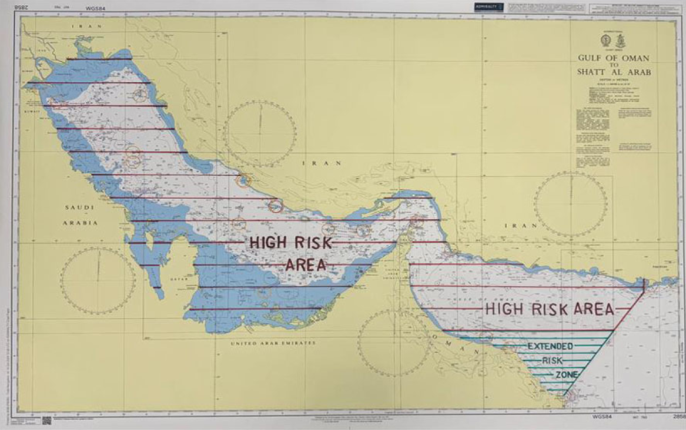
Burada tarihsel analoji kaçınılmaz bir biçimde 1956 Süveyş Krizi’ne gider. İngiltere ve Fransa’nın askeri olarak güçlü olmalarına rağmen Süveyş’te yaşadıkları stratejik başarısızlık, yalnızca bir operasyonel yenilgi değil, aynı zamanda emperyal kapasitenin sembolik çöküşüydü. Asıl belirleyici unsur, ABD’nin kendi müttefiklerini bile sınırlayabilen yeni hegemonik konumuydu. Neorealist okuma burada nettir: güç yalnızca sahip olunmaz, aynı zamanda diğer büyük aktörler tarafından tanınır ve tolere edilir. İngiltere’nin Süveyş’te yaşadığı şey, askeri yetersizlikten ziyade sistem içi hiyerarşi değişimiydi. Bugün bazı yorumların Hürmüz üzerinden benzer bir “ABD testi” okuması yapmasının nedeni de budur. Eğer ABD, bu tür bir kriz alanında ya caydırıcılığını gösteremez ya da maliyetleri kontrol edemezse, bu durum 1956 sonrası İngiltere’nin yaşadığı türden bir “stratejik gerileme algısını” tetikleyebilir.
Neorealizmin temel varsayımı açıktır: devletler hayatta kalma güdüsüyle hareket eder ve bu nedenle sistemdeki güç dağılımı davranışları belirler. Hürmüz Boğazı’nda herhangi bir kriz, yalnızca ABD ile bölgesel aktörler arasında değil, aynı zamanda ABD ile yükselen/dengeleyici güçler arasında dolaylı bir güç okumasına dönüşür. Bu tür boğaz krizlerinde mesele çoğu zaman “kimin haklı olduğu” değil, “kimin maliyet dayatabildiği”dir. ABD’nin donanma kapasitesi hâlâ yüksek olsa da, neorealist çerçevede kritik soru şudur: Bu kapasite, çoklu cephelerde eşzamanlı olarak sürdürülebilir mi? Çin ile uzun vadeli rekabet, Rusya ile gerilim alanları, Orta Doğu’da dağınık ama sürekli kriz üretme potansiyeli… Bunların her biri, hegemonik kaynakların aşınmasına yol açan sistemik baskılardır. Burada dikkatli olmak gerekir: “başarı” ve “başarısızlık” askeri bir çatışmanın kazanılıp kaybedilmesiyle sınırlı değildir. Neorealist açıdan asıl ölçüt, caydırıcılığın sürüp sürmediğidir. Eğer Hürmüz’de ABD, enerji akışının kesintiye uğramasını engelleyemez ya da bunu aşırı maliyetle sağlarsa, bu durum tek bir olaydan ziyade bir algı kırılması yaratır. Uluslararası sistemde algılar, maddi kapasite kadar önemlidir; çünkü diğer devletlerin stratejik hesaplarını doğrudan etkiler. İşte “1956 benzeri senaryo” denilen şey de tam burada ortaya çıkar: bir büyük gücün fiilî kapasitesi devam ederken bile, sistemdeki diğer aktörlerin onun sınırlı olduğunu “öğrenmeye başlaması”. Yani, hegemonya test edilir ve çöküş aniden gelmez. Esasen; Süveyş 1956, İngiltere’nin bir gecede düşüşü değildi; zaten başlayan bir sürecin görünür hale gelmesiydi. Hürmüz Boğazı da işte bugün ABD için böyle bir “görünürlük noktası” olabilir. Ancak bu, otomatik bir çöküş anlamına gelmez. Daha doğru ifade şudur: sistem, hegemonik gücün sınırlarını tekrar tekrar test eder. Ve her test, yalnızca askeri kapasiteyi değil, aynı zamanda küresel düzenin psikolojik haritasını da yeniden çizer.
The Strait of Hormuz: The US's Last Geopolitical Test?
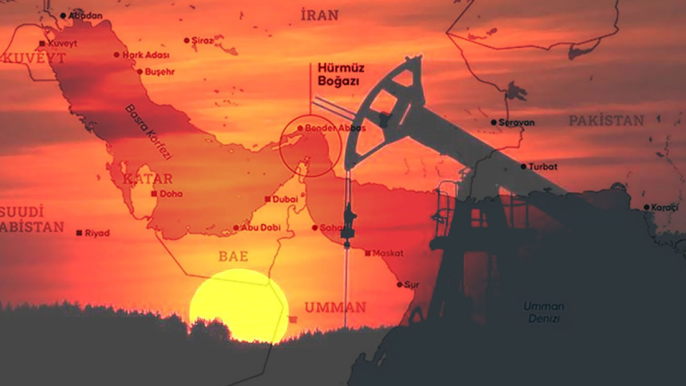
The anarchic nature of the international system often produces moments where the distribution of power is most starkly revealed in narrow straits. The Strait of Hormuz has become precisely such a scene today: one of the arteries of global energy, and also a "narrow passage test" of great power competition. The US claim to global hegemony is measured here not only by its naval superiority in the open seas, but also by its capacity to ensure de facto control and access security at such critical chokepoints (straits, canals, narrow sea passages). If Hormuz is being read as a "last test" for Washington today, the nature of this test is more systemic than military: can the US still maintain its capacity to guarantee energy security in an era when the unipolar order is already eroding?
The Shadow of 1956: The Suez Syndrome
Here, the historical analogy inevitably leads to the 1956 Suez Crisis. Despite their military strength, Britain and France's strategic failure in Suez was not merely an operational defeat, but also a symbolic collapse of imperial capacity. The decisive factor was the new hegemonic position of the US, which could even limit its own allies. The neorealist reading is clear here: power is not only possessed, but also recognized and tolerated by other major actors. What Britain experienced in Suez was not so much military inadequacy as a change in the system's hierarchy. This is why some commentators today make a similar "US test" reading through the Strait of Hormuz. If the US cannot either demonstrate its deterrent capability or control the costs in such a crisis area, this could trigger a "perception of strategic decline" similar to what Britain experienced after 1956. The fundamental assumption of neorealism is clear: states act out of a survival instinct, and therefore the distribution of power within the system determines their behavior. Any crisis in the Strait of Hormuz transforms into an indirect power struggle not only between the US and regional actors, but also between the US and rising/balancing powers. In such strait crises, the issue is often not "who is right," but "who can impose costs." While the US naval capacity remains high, the critical question within a neorealist framework is: can this capacity be sustained simultaneously on multiple fronts? Long-term competition with China, areas of tension with Russia, the potential for scattered but persistent crises in the Middle East… Each of these is a systemic pressure leading to the erosion of hegemonic resources. Caution is needed here: "success" and "failure" are not limited to winning or losing a military conflict. From a neorealist perspective, the real criterion is whether deterrence is sustained. If the US cannot prevent the disruption of energy flow in the Strait of Hormuz, or does so at an excessive cost, this creates a perception shift rather than a single event. In the international system, perceptions are as important as material capacity because they directly affect the strategic calculations of other states. This is precisely where the so-called “1956-like scenario” emerges: even while a great power's actual capacity continues, other actors in the system begin to “learn” that it is limited. Hegemony is tested; collapse doesn't come suddenly. Suez 1956 wasn't the overnight fall of Britain; it was the visible manifestation of a process that had already begun. The Strait of Hormuz could be such a “point of visibility” for the US today. However, this doesn't mean automatic collapse. More accurately, the system repeatedly tests the limits of hegemonic power. And each test redraws not only military capacity but also the psychological map of the global order.

Yazarın Diğer Yazıları
- Rusya Almanya'yı Vuracak mı? Belarus'tan Berline'e Bir Savaş Senaryosu
- Türkiye Ebu Zuhur’a mı, yoksa başka bir noktaya mı üs kuracak?
- Türkiye sınır ötesi harekata mı hazırlanıyor?
- Bir Hareket Ne Zaman Suç Üreten Bir Yapıya Dönüşür?
- 2026 Ortadoğu’sunda aslan kim geyik kim?
- Ortadoğu’daki bu görünmez el kimin?
- Mekke Anlaşması: Üç Devlet Birbirine Neden Güvensin?
- Toplumsal Çevreleme Doktrini: İspanya