
Kızıl Kapitalizm: Çin Yüzyılının Doğuşu

Donald Trump Çin’e giderek Xi Jinping ile Pekin’de kritik bir zirve yaptı. Görüşmelerde ticaret, yapay zekâ, Tayvan ve İran savaşı gibi konular ele alındı. Ziyaret 14-15 Mayıs 2026 tarihlerinde gerçekleşti ve Trump’a resmi tören düzenlendi. İki liderin görüşmesi sonrası Trump, “birçok sorunu çözdük” açıklaması yaptı ancak somut anlaşmaların ayrıntıları paylaşılmadı.
Şimdi aslında burada ele almak istediğim konu bu haberden ziyade; Çin nasıl bu kadar büyüdü? Çin’in bugün dünyanın en büyük ekonomik güçlerinden biri haline gelmesi elbette tek bir zeki hamle ile olmadı. Yaklaşık 200 yıllık çok sert kırılmaların, başarısızlıkların, açlıkların, iç savaşların ve ardından gelen disiplinli devlet politikalarının sonucu. Aslında Çin’in hikâyesi şu sorunun cevabı: ‘’ Bir ülke yüz milyonlarca aşırı fakir köylüyü nasıl dünyanın üretim merkezine dönüştürür?’’
1800’lerde Çin aslında çok büyüktü ama çökmeye başladı. Çünkü; sanayi devrimini kaçırdı. Avrupa; buhar makineleri, fabrikalar, modern bankacılık, bilimsel üretim, sömürge ticareti ile hızla yükselirken Çin hâlâ eski imparatorluk düzenindeydi. Sonra büyük kırılmalar geldi: First Opium War, Second Opium War, batılı devletlerin limanları zorla açtırması, Japon işgali, iç savaşlar, büyük kıtlıklar gibi. Bu evrede, Çin halkının önemli bir kısmı aşırı fakirdi ve köylüler çok düşük verimle çalışıyordu. 1949- 1976 Mao dönemi ülkeyi birleştirdi ama ekonomi felakete döndü. Bu dönemde bazı büyük değişimler oldu. Ülke merkezi otorite altında birleşti. Okuma yazma oranı arttı. Temel sağlık sistemi kuruldu. Altyapı başladı. Toprak reformu yapıldı. Ama ekonomik model sert devletçi modeldi. Devlet fabrikaları kontrol etti, tarımı kolektifleştirdi, piyasayı bastırdı. Sonuç; beklendiği üzere verimsizlik ve büyük felaketler…
Great Leap Forward (1958–1962) Mao bu evrede hızla sanayileşmek istedi. Köylüler tarladan çekildi, anormal üretim hedefleri kondu, yanlış veriler verildi. Ve tarihin en büyük kıtlıklarından biri yaşandı, on milyonlarca ölüm… Ardından Cultural Revolution, eğitim sistemi ve uzman kadrolar dağıldı, bilim insanları ve öğretmenler hedef alındı. Yani Mao dönemi evet siyasi birliği çok güzel sağladı ama ekonomik olarak Çin’i zenginleştiremedi. 1970’lerde Çin hâlâ çok fakirdi. Asıl dönüşüm Deng Xiaoping döneminde 1978 sonrasında başladı. Gerçek kırılma burada oldu çünkü Deng Xiaoping şunu farketti: İdeoloji insanları doyurmuyor. Ve onun o meşhur yaklaşımı: ‘’ Kedinin siyah veya beyaz olması önemli değil, fare yakalaması önemli.’’ Yani komünist görünelim ama kapitalizmi kullanalım. Bu inanılmaz bir karardı.
Eskiden köylüler devlet için çalışıyordu ama Deng, köylülere üretim özgürlüğü verdi. Yani çiftçilere fazla olan ürünü satma hakkı verdi. Tarım verimi patladı. Bu çok önemliydi çünkü; insanlar ilk kez para kazanmaya başladı ve açlık azaldı.
Peşinden ucuz iş gücü ve dev üretim kapasitesi ile dünyanın fabrikası olmayı seçtiler. Batılı şirketlere gelin burada üretin, işçilik ucuz, devlet destek verir ve büyük limanlar kurarız dediler. Böylece: tekstil, oyuncak, elektronik sonra teknoloji üretimi Çin’e kaydı. Örneğin; Apple Inc. ürünlerinin büyük kısmı Çin’de üretildi. Binlerce küresel şirket üretimi Çin’e taşıdı. Elbette Çin tamamen serbest piyasa olmadı. Özel ekonomik bölgeler kuruldu bu bölgelerde kapitalizmi test ettiler. Örneğin; Shenzhen. Burası eskiden küçük bir balıkçı kasabasıydı. Devlet bu bölge için vergi avantajı verdi, yabancı yatırım çekti, üretim merkezleri kurdu ve bunun neticesinde bugün Shenzhen: teknoloji devi şehirlerden birine dönüştü. Bu model daha sonra tüm ülkeye yayıldı. Aslında Çin sadece ucuz işçilikle kalmadı eğitime ve mühendisliğe de aşırı yatırım yaptı. Milyonlarca mühendis yetiştirdiler. Bugün Çin; yüksek hızlı tren, batarya, güneş paneli, elektrikli araç, telekomünikasyon ve yapay zekâ alanlarında çok güçlü, örneğin: Huawei, BYD Company, Tencent, Alibaba Group gibi devler çıktı.
Ayrıca devasa altyapı yaptılar. Çin inanılmaz miktarda: yol, liman, tren, enerji santrali, fabrika, şehir inşa etti. Bu sayede: lojistik ucuzladı, üretim hızlandı, ticaret kolaylaştı. Birçok gelişmekte olan ülke üretim yaparken lojistikte boğulurken Çin bunu agresif şekilde çözdü. Ayrıca burada Çin’in en büyük farklarından biri: Batı’daki gibi sürekli hükümet değişimi yaşamamasıdır. Ek olarak devlet: 5 yıllık, 10 yıllık, 30 yıllık sanayi planları yaptı.
Örneğin: hangi sektör büyüyecek, hangi teknolojiye yatırım yapılacak, hangi şirket desteklenecek önceden planlandı. Bu bazen verimsizlik yarattı ama büyük ölçekli dönüşüm sağladı. Çin toplumunda: yüksek tasarruf, yoğun çalışma, eğitim baskısı, aile odaklı ekonomik yükselme, çok güçlüdür. Bu kültür: sermaye birikimini, üretim disiplinini, girişimciliği destekledi. Ama kritik olan en büyük etken bu büyüme de Batı’nın rolüydü.
Bu önemli nokta çoğu zaman unutuluyor. ABD ve Avrupa: Çin’e yatırım yaptılar, teknolojilerini taşıdılar ve üretimlerini Çin’e kaydırdılar. Çin mallarını satın aldılar. Yani Çin tek başına büyümedi. Küreselleşme sayesinde büyüdü. Batılı şirketler: daha ucuz üretim istedi, Çin de bunu sundu. Bu ilişki iki tarafı da büyüttü.
Peki, Çin diğer fakir ülkelerden farklı olarak ne yaptı?
En kritik farklar: Üretime odaklandılar. Sadece hammadde satmadılar. Fabrikalar kurdular. Mühendislik kapasitesi oluşturdular. Kısa vadeli popülizm yerine sanayiyi büyüttüler. Yabancı sermayeyi kontrollü kullandılar: “Gel yatırım yap ama üretim burada olacak” dediler.
Altyapıyı dev ölçekte kurdular: Liman + tren + enerji = üretim gücü. Köyden şehire dev iş gücü taşıdılar. Yüz milyonlarca insan sanayi işçisi oldu. Bu insanlık tarihindeki en büyük ekonomik dönüşümlerden biridir. Ama her şey tabii mükemmel değil. Bugün Çin’in ciddi sorunları da var: yaşlanan nüfus, genç işsizliği, borç krizi, emlak balonu, ifade özgürlüğü sorunları, ABD ile teknoloji savaşı, düşük doğum oranı gibi. Yani Çin hâlâ dönüşüm içinde.
Kısaca; Çin örneği aslında melez bir modeldir. Siyasi olarak tek parti ve devlet kontrolü güçlü (sosyalist/otoriter yapı); Ekonomide ise ciddi biçimde piyasa mekanizması, yabancı sermaye ve özel sektör var (kapitalist araçlar). Bu yüzden birçok ekonomist bunu “ne tam kapitalizm ne tam sosyalizm” olarak görür; daha çok devlet yönlendirmeli piyasa ekonomisi. Burada Batı’nın etkisi var mı? Evet: Yabancı yatırım, Küresel ticaret sistemine entegrasyon, Teknoloji transferi gibi. Ama buna ‘’kazanan batı aklıydı’’ demek eksik kalır, çünkü Çin aynı zamanda: Piyasa kurallarını kendi kontrolü altında tuttu, Stratejik sektörleri devletle yönetti, Teknolojiyi sadece almakla kalmayıp yerelleştirip dönüştürdü.
Günün sonunda bu süreç, bir ideoloji zaferinden ziyade iki farklı ekonomik yaklaşımın pragmatik biçimde birleşerek büyük ölçekli bir kalkınma ve büyüme modeli üretmesi olarak okunabilir. Sonuç olarak Çin örneği, modern dünyada başarıyı belirleyen şeyin tek bir sistem değil, sistemleri stratejik şekilde birleştirebilme kapasitesi olduğunu göstermektedir.
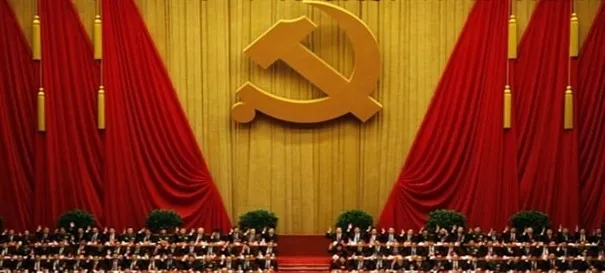
Red Capitalism: The Dawn of the Chinese Century
Donald Trump traveled to China and held a critical summit with Xi Jinping in Beijing. Topics discussed included trade, artificial intelligence, Taiwan, and the war with Iran. The visit took place on May 14-15, 2026, and Trump was given an official welcome. Following the meeting, Trump stated that they had "solved many problems," but details of concrete agreements were not shared. However, what I want to address here is not so much the news itself, but rather: How did China grow so much? China's rise to become one of the world's largest economic powers certainly didn't happen with a single clever move. It's the result of nearly 200 years of harsh upheavals, failures, famine, civil wars, and subsequent disciplined state policies. Essentially, China's story answers the question: "How does a country transform hundreds of millions of extremely poor peasants into the world's manufacturing hub?"
In the 1800s, China was actually very large, but it began to decline. This was because it missed the Industrial Revolution. While Europe was rapidly rising with steam engines, factories, modern banking, scientific production, and colonial trade, China was still stuck in its old imperial system. Then came major upheavals: the First Opium War, the Second Opium War, the forced opening of ports by Western powers, the Japanese invasion, civil wars, and great famines. During this period, a significant portion of the Chinese population was extremely poor, and peasants worked with very low productivity.
The Mao era (1949-1976) unified the country, but the economy descended into disaster. Some major changes occurred during this period. The country was unified under central authority. Literacy rates increased. A basic healthcare system was established. Infrastructure was started. Land reform was implemented. However, the economic model was a harsh state-controlled one. The state controlled factories, collectivized agriculture, and suppressed the market. The result, as expected, was inefficiency and great disasters…
The Great Leap Forward (1958–1962): During this phase, Mao sought rapid industrialization. Peasants were withdrawn from the fields, unrealistic production targets were set, and inaccurate data was provided. This led to one of the greatest famines in history, resulting in tens of millions of deaths… This was followed by the Cultural Revolution, the dismantling of the education system and expert cadres, and the targeting of scientists and teachers. So, while the Mao era did a great job of achieving political unity, it couldn't enrich China economically. In the 1970s, China was still very poor.
The real transformation began after 1978 under Deng Xiaoping. The real turning point happened here because Deng Xiaoping realized that ideology doesn't satisfy people. And his famous approach was: "It doesn't matter if the cat is black or white, what matters is that it catches mice." In other words, let's appear communist, but let's use capitalism. This was an incredible decision. Previously, peasants worked for the state, but Deng gave them freedom of production. He gave farmers the right to sell their surplus produce. Agricultural productivity exploded. This was crucial because people started earning money for the first time, and hunger decreased.
Following this, with cheap labor and massive production capacity, they chose to become the world's factory. They told Western companies, "Come and produce here, labor is cheap, the state will support you, and we will build large ports." Thus, textile, toy, electronics, and then technology production shifted to China. For example, a large portion of Apple Inc.'s products are manufactured in China. Thousands of global companies moved their production to China. Of course, China didn't become a completely free market. They established special economic zones where they tested capitalism. For example, Shenzhen. This was once a small fishing village. The government provided tax advantages for this region, attracted foreign investment, established manufacturing centers, and as a result, Shenzhen has transformed into one of the leading technology giants today. This model later spread throughout the country.
In fact, China didn't just rely on cheap labor; it also invested heavily in education and engineering. They trained millions of engineers. Today, China is very strong in high-speed rail, batteries, solar panels, electric vehicles, telecommunications, and artificial intelligence, giving rise to giants like Huawei, BYD Company, Tencent, and Alibaba Group. They also built massive infrastructure. China constructed an incredible amount of roads, ports, railways, power plants, factories, and cities. This made logistics cheaper, production faster, and trade easier. While many developing countries struggled with logistics during production, China aggressively solved this problem. Another major difference is that China doesn't experience the constant government changes seen in the West. In addition, the state created 5-year, 10-year, and 30-year industrial plans. For example, it pre-planned which sectors would grow, which technologies would receive investment, and which companies would be supported. This sometimes created inefficiencies, but it enabled large-scale transformation.
In Chinese society, high savings, intense work, pressure for education, and family-oriented economic growth are very strong. This culture supported capital accumulation, production discipline, and entrepreneurship. But the most critical factor in this growth was the role of the West. This important point is often forgotten. The US and Europe invested in China, transferred their technologies, and shifted their production to China. They bought Chinese goods. So China did not grow alone. It grew thanks to globalization. Western companies wanted cheaper production, and China offered it. This relationship boosted both sides.
So, what did China do differently from other poor countries? The most critical differences are: They focused on production. They didn't just sell raw materials. They built factories. They created engineering capacity. Instead of short-term populism, they expanded industry. They used foreign capital in a controlled manner: they said, "Come and invest, but production will be here." They built infrastructure on a massive scale: Port + train + energy = production power. They moved a huge workforce from villages to cities. Hundreds of millions of people became industrial workers. This is one of the greatest economic transformations in human history.
But of course, everything is not perfect. Today, China also has serious problems: an aging population, youth unemployment, a debt crisis, a real estate bubble, issues with freedom of expression, a technology war with the US, a low birth rate, etc. So, China is still in a state of transformation. In short, the Chinese example is actually a hybrid model. Politically, it has a single-party system and strong state control (socialist/authoritarian structure); In the economy, there is a significant market mechanism, foreign capital, and the private sector (capitalist tools). Therefore, many economists see it as "neither fully capitalist nor fully socialist"; rather, a state-directed market economy. Is there Western influence here? Yes: through foreign investment, integration into the global trading system, and technology transfer. But to say "Western thinking won" would be incomplete, because China also: kept market rules under its own control, managed strategic sectors with the state, and not only acquired technology but also localized and transformed it. Ultimately, this process can be interpreted not as an ideological victory, but rather as the pragmatic convergence of two different economic approaches to produce a large-scale development and growth model. In conclusion, the Chinese example shows that what determines success in the modern world is not a single system, but the capacity to strategically combine systems.

Yazarın Diğer Yazıları
- Dünya Neden Aynı Anda Sokağa Çıkıyor? Küresel Meşruiyet Krizi, Devletin Dönüşümü ve Yeni Siyasal Düzen
- The Struggle for Power in Brazil: Historical Power Structures, Political Polarization, and Global Competition
- To whom does the Republic of France belong?
- Fransa’da Cumhuriyet Kime Aittir?
- Aliyev Sonrası Azerbaycan’ın Siyasi Provası: Siyasal İslam mı?
- The War Extending to Riyadh: Iran’s Regional Strategy, Saudi Arabia’s Defense Dilemma, and the Future of Oil
- Riyad’a Uzanan Savaş: İran’ın Bölgesel Stratejisi, Suudi Arabistan’ın Savunma Açmazı ve Petrolün Geleceği
- Rusya Almanya'yı Vuracak mı? Belarus'tan Berline'e Bir Savaş Senaryosu