
Kurumsallaşmış Din ve Devlet Aklı: Diyanet İşleri Başkanlığı

Diyanet İşleri Başkanlığı’nı tarihsel bağlamda ele almak, yalnızca bir kurumun gelişimini değil, Türkiye’de devletin dinle kurduğu ilişkinin dönüşümünü anlamak anlamına gelir. 1924’te kurulan yapı, Osmanlı’dan devralınan dinî otorite boşluğunu doldurmak için ortaya çıkmış bir idari düzenleme gibi görünse de, aslında daha derin bir devlet tasarımının parçasıdır. Din, kamusal alandan tamamen çıkarılmamış; aksine devletin bürokratik sistemi içine alınarak yeniden tanımlanmıştır. Osmanlı döneminde çok merkezli bir dinî yapı varken, Cumhuriyet bu yapıyı ortadan kaldırarak dini tek bir kurumsal merkezde toplama yoluna gitmiştir. Bu tercih, Türkiye’nin laiklik modelini Batı’daki örneklerden farklılaştıran temel unsurlardan biridir. Burada dinin toplumsal hayattan silinmesi değil, devlet tarafından kontrol edilen bir kurumsal çerçeveye alınması söz konusudur.
Kuruluş yıllarında Diyanet daha çok cami hizmetlerinin düzenlenmesi, imamların atanması ve temel dinî bilginin standartlaştırılması gibi sınırlı bir alanda faaliyet gösteriyordu. Ancak bu sınırlı yapı, zaman içinde toplumsal dönüşümlerle paralel biçimde genişledi. Çok partili hayata geçişle birlikte dinin kamusal görünürlüğü arttıkça, Diyanet de daha görünür bir kuruma dönüştü. 1980 sonrası dönem ise, bu genişlemenin kurumsallaştığı bir eşik oldu; personel sayısı, bütçe ve faaliyet alanı ciddi biçimde arttı. Bu tarihsel gelişim çizgisi yalnızca iç politik bir dönüşüm değildir; aynı zamanda devletin din üzerinden toplumu yönetme biçiminin de yeniden şekillenmesidir. Siyaset bilimi açısından bakıldığında Diyanet, klasik bir kamu kurumu olmanın ötesinde, “devletin ideolojik süreklilik araçlarından biri” olarak değerlendirilebilir. Gramsciyen anlamda bakıldığında bu yapı, toplumsal rızanın üretilmesinde rol oynayan kurumsal bir kanal işlevi görür. Dinî söylemin merkezi bir otorite tarafından üretilmesi, toplumsal normların belirli bir çerçevede standartlaşmasını sağlar.
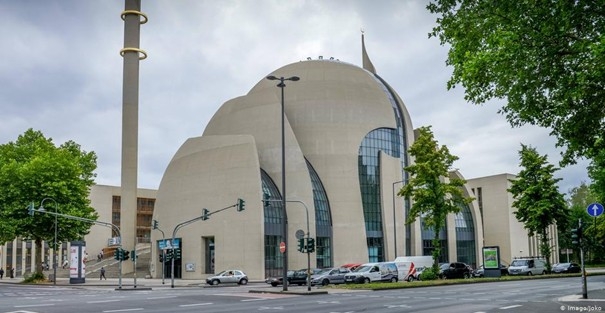
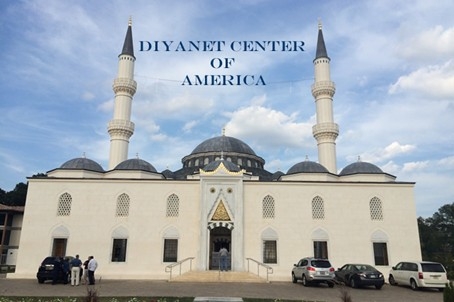
Kurumun en önemli dönüşümlerinden biri ise 1980 sonrası ve özellikle 2000’li yıllardan itibaren küresel bir boyut kazanmasıdır. Avrupa başta olmak üzere Almanya, Fransa, Hollanda, Belçika ve Avusturya gibi ülkelerde; ayrıca Balkanlar, Orta Asya, Afrika ve Amerika’da kurulan temsilcilikler, Diyanet’i yalnızca ulusal bir kurum olmaktan çıkarıp transnasyonel bir aktöre dönüştürmüştür. Bu ağ, cami hizmetlerinden dini eğitime, hac organizasyonlarından kültürel etkinliklere kadar geniş bir yelpazede faaliyet yürütür. Bu noktada kurumun “lobicilik” boyutu daha görünür hale gelir. Ancak burada klasik anlamda ekonomik ya da siyasi çıkar gruplarının yürüttüğü lobicilikten farklı bir yapı söz konusudur. Diyanet’in uluslararası etkisi, doğrudan siyasi karar mekanizmalarını hedeflemekten ziyade, diaspora toplulukları üzerinden dolaylı bir etki üretir. Bu etki; kimlik inşası, kültürel süreklilik ve dini normların aktarımı üzerinden gerçekleşir. Avrupa’daki bazı ülkelerde zaman zaman gündeme gelen “yabancı etki” tartışmaları da bu yapının doğrudan siyasi değil, uzun vadeli sosyokültürel etkiler üretmesinden kaynaklanır. Siyaset bilimi perspektifinde bu durum, “yumuşak güç” (soft power) kavramıyla açıklanabilir. Devlet, sadece diplomatik ya da ekonomik araçlarla değil, dini ve kültürel kurumlar aracılığıyla da uluslararası alanda etki üretir. Diyanet’in diaspora üzerindeki faaliyetleri, Türkiye ile yurtdışındaki topluluklar arasında kurumsal bir bağ oluşturur. Bu bağ, hem kimlik sürekliliğini sağlar hem de kültürel etki alanı yaratır.
İç politikada ise Diyanet, sürekli tartışma konusu olan bir kurumdur. Bütçe büyüklüğü, kamusal söylem üretme kapasitesi ve toplumsal alandaki görünürlüğü nedeniyle farklı siyasi pozisyonlar tarafından farklı şekillerde yorumlanır. Bir kesim için toplumsal düzeni ve dini hizmetleri sağlayan zorunlu bir kamu kurumu iken, başka bir kesim için devletin ideolojik alan üzerindeki etkisinin güçlü bir aracı olarak görülür. Bu ikili algı, Türkiye’de devlet-toplum ilişkisinin tarihsel gerilimlerini de yansıtır. Sonuç olarak Diyanet İşleri Başkanlığı, yalnızca bir dini hizmet kurumu değil; tarihsel olarak devletin dinle kurduğu ilişkinin evrimini temsil eden çok katmanlı bir yapıdır. İç politikadan uluslararası ilişkilere, sosyal hizmetlerden kültürel diplomasiye kadar uzanan geniş bir alanda faaliyet gösteren bu kurum, hem Türkiye’nin modernleşme sürecini hem de devletin toplumu yönetme biçimlerini anlamak açısından kritik bir analiz alanı sunar.
Institutionalized Religion and State Reason: The Presidency of Religious Affairs
Examining the Directorate of Religious Affairs within its historical context means understanding not only the development of an institution but also the transformation of the state's relationship with religion in Turkey. While the structure, established in 1924, appears to be an administrative arrangement created to fill the religious authority vacuum inherited from the Ottoman Empire, it is actually part of a deeper state design. Religion was not completely removed from the public sphere; on the contrary, it was redefined by being incorporated into the state's bureaucratic system. While the Ottoman period had a multi-centered religious structure, the Republic sought to eliminate this structure and consolidate religion under a single institutional center. This choice is one of the fundamental elements that differentiates Turkey's secularism model from Western examples. Here, it is not a matter of erasing religion from social life, but rather placing it within an institutional framework controlled by the state.
In its early years, the Directorate of Religious Affairs operated primarily in a limited area, such as regulating mosque services, appointing imams, and standardizing basic religious knowledge. However, this limited structure expanded over time, in parallel with societal transformations. With the transition to a multi-party system, as the public visibility of religion increased, the Directorate of Religious Affairs (Diyanet) also transformed into a more visible institution. The post-1980 period marked a threshold where this expansion became institutionalized; the number of personnel, budget, and scope of activity increased significantly.
This historical development is not only an internal political transformation; it is also a reshaping of how the state governs society through religion. From a political science perspective, the Diyanet can be considered more than just a classic public institution; it can be seen as "one of the state's instruments of ideological continuity." In a Gramscian sense, this structure functions as an institutional channel that plays a role in the production of social consent. The production of religious discourse by a central authority ensures the standardization of social norms within a certain framework.
One of the most important transformations of the institution is its acquisition of a global dimension after 1980, and especially from the 2000s onwards. In Europe, particularly in countries such as Germany, France, the Netherlands, Belgium, and Austria; Furthermore, the establishment of representative offices in the Balkans, Central Asia, Africa, and America has transformed the Directorate of Religious Affairs from a purely national institution into a transnational actor. This network operates across a wide spectrum, from mosque services and religious education to Hajj organizations and cultural events. At this point, the institution's "lobbying" aspect becomes more visible. However, this structure differs from the lobbying conducted by classical economic or political interest groups. The Directorate of Religious Affairs' international influence produces an indirect effect through diaspora communities, rather than directly targeting political decision-making mechanisms. This influence occurs through identity construction, cultural continuity, and the transmission of religious norms.
The discussions about "foreign influence" that occasionally arise in some European countries stem from the fact that this structure produces long-term socio-cultural effects, not direct political ones. From a political science perspective, this situation can be explained by the concept of "soft power." The state produces influence internationally not only through diplomatic or economic means but also through religious and cultural institutions. The activities of the Directorate of Religious Affairs (Diyanet) concerning the diaspora create an institutional link between Turkey and communities abroad. This link ensures both the continuity of identity and creates a sphere of cultural influence.
In domestic politics, however, the Diyanet is a constantly debated institution. Due to its budget size, capacity to produce public discourse, and visibility in the social sphere, it is interpreted differently by different political positions. For some, it is a necessary public institution providing social order and religious services, while for others it is seen as a powerful instrument of the state's influence on the ideological sphere. This dual perception also reflects the historical tensions in the state-society relationship in Turkey. Consequently, the Directorate of Religious Affairs is not merely a religious service institution; it is a multi-layered structure representing the evolution of the state's historical relationship with religion. Operating in a wide range of areas from domestic politics to international relations, from social services to cultural diplomacy, this institution offers a critical area of analysis for understanding both Turkey's modernization process and the ways in which the state governs society.

Yazarın Diğer Yazıları
- Rusya Almanya'yı Vuracak mı? Belarus'tan Berline'e Bir Savaş Senaryosu
- Türkiye Ebu Zuhur’a mı, yoksa başka bir noktaya mı üs kuracak?
- Türkiye sınır ötesi harekata mı hazırlanıyor?
- Bir Hareket Ne Zaman Suç Üreten Bir Yapıya Dönüşür?
- 2026 Ortadoğu’sunda aslan kim geyik kim?
- Ortadoğu’daki bu görünmez el kimin?
- Mekke Anlaşması: Üç Devlet Birbirine Neden Güvensin?
- Toplumsal Çevreleme Doktrini: İspanya